

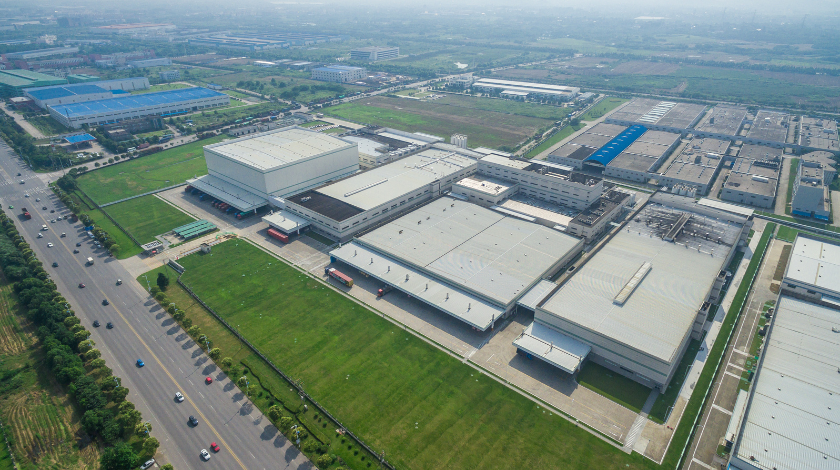
Have you ever walked into a place and immediately felt a buzz of creative energy? A space where you can almost hear the whispers of history in the walls while watching new stories being told through paint, clay, and glass right in front of you? That is the exact feeling I get every single time I push open the heavy doors of the Torpedo Factory Art Center in Old Town Alexandria.
Forget the quiet, “do not touch” atmosphere of a traditional museum. This is something else entirely. It is a living, breathing community of artists, a treasure trove of unique finds, and one of the most genuinely interesting places to visit in the Washington D.C. area. I have been going there for years, both as a curious tourist and a local looking for a creative pick-me-up, and it never fails to inspire me.
So, what exactly is this place with such an explosive name? Let us dive in and explore everything this incredible arts center has to offer.
What is the Torpedo Factory Art Center?
In the simplest terms, the Torpedo Factory Art Center is one of the largest and most accessible collections of working artist studios in the entire United States. Housed in a massive, converted industrial building on the banks of the Potomac River, it is home to over 165 professional artists who create and sell their work in open-to-the-public studios.
Imagine a three-story building, once filled with the noise and grit of manufacturing torpedoes for World War II. Now, picture that same space flooded with natural light, its concrete floors and high ceilings providing the perfect backdrop for over 80 studios, seven galleries, placement agencies for assisted living, and two art schools. The air smells of wet clay, oil paint, and sawdust instead of machine oil. The sound of whirring pottery wheels and the gentle tapping of a jeweler’s hammer replace the roar of machinery. This transformation is the magic of the Torpedo Factory. It is a place where the artistic process is not hidden away in a private garret but is shared openly and joyfully with everyone who walks through the door. The best part? Admission is completely free, making it one of the best value attractions in Northern Virginia.
A Brief History: From Weapons to Watercolors
You cannot fully appreciate the Torpedo Factory without understanding its fascinating past. The name is not just a catchy marketing gimmick; it is the building’s true identity. Constructed in 1918, the U.S. Naval Torpedo Station was exactly what it sounds like. It was a hub for building and storing torpedoes, playing a critical role in both World Wars. Walking through the halls today, I always try to picture the workers in their overalls, focused on a very different kind of craft, one centered on defense and warfare.
After World War II, the need for torpedoes dwindled, and the building was decommissioned. For a couple of decades, it served various odd purposes, including as a storage facility for everything from old Senate documents to Smithsonian specimens. Can you imagine dinosaur bones or historical records sitting in what is now a pottery studio? By the 1960s, the building was empty and facing an uncertain future, likely demolition.
Then, in the early 1970s, a visionary artist and community activist named Marian Van Landingham had a brilliant idea. She saw past the grime and decay and envisioned a vibrant center for the arts. She led a movement to transform the derelict factory into a space for artists to work and engage with the public. With a lot of hard work and a $75,000 loan from the city, the Torpedo Factory Art Center opened its doors in 1974. This was not about turning the building into a pristine, white-walled gallery. It was about honoring its industrial soul while filling it with a new purpose: creativity. This rich history is palpable as you explore, creating a unique dialogue between the past and present that you simply will not find in a modern art museum.
Read Also: What is Drone Deploy? A Simple Guide to Drone Mapping and Data
What to See and Do: More Than Just a Gallery
A lot of people ask me, “How long should I plan to spend there?” My answer is always, “At least two hours, but you could easily spend a whole afternoon.” It is not a place you simply walk through; it is a place you experience. Here is how to make the most of your visit.
Watch Artists in Their Natural Habitat
This is, without a doubt, the core experience. The ability to see artists at work is a gift. I remember one time, I was watching a printmaker carefully ink a large, intricate plate. She was so focused, her hands moving with a practiced grace. I must have stood there for fifteen minutes, completely mesmerized. When she finally looked up and saw me, she smiled and began to explain the process of intaglio printing. She showed me the tools, the press, and the finished prints hanging nearby. That five-minute conversation taught me more about printmaking than any art book ever could.
This is common here. The artists are, for the most part, incredibly welcoming and happy to talk about their process. Do not be shy. Ask questions! Seeing the concentration on a painter’s face or the skillful hands of a jeweler bending metal makes you appreciate the finished piece in an entirely new way. It demystifies art and reveals the skill, patience, and passion involved in every single creation.
Find a Unique Souvenir or Masterpiece
Whether you are looking for a $15 pair of handmade earrings or a $1,500 painting, the Torpedo Factory is a shopping experience like no other. Every item has a story, and you are buying it directly from the person who made it. This is the polar opposite of buying a mass-produced trinket from a generic gift shop.
I have found some of my most cherished possessions here. A small, hand-thrown ceramic vase that sits on my desk. A whimsical glass ornament that goes on my Christmas tree every year. A striking photograph of the Potomac River that reminds me of home. When you buy something here, you are not just acquiring an object; you are taking home a piece of that artist’s time, talent, and vision. You are also directly supporting a working artist, which is a wonderful feeling.
Get Creative with Hands-On Art Classes
If watching the artists sparks your own creative itch, you can do more than just watch. The Torpedo Factory is also home to The Art League School and the Potomac Fiber Arts Gallery, which offer a huge range of classes and workshops for all ages and skill levels. From one-day introductory workshops in glass fusing or bookbinding to multi-week courses in drawing, painting, or ceramics, there is something for everyone.
I took a beginner’s wheel-throwing pottery class a few years ago, and it was both humbling and hilarious. I was terrible at it, but the instructor was patient, and my classmates were all in the same boat. We laughed at our lopsided creations and cheered for each other’s small successes. It gave me a profound new respect for the potters whose work I admired in the studios downstairs. Taking a class here is not just about learning a new skill; it is about immersing yourself in the creative community.
Planning Your Visit: Tips, Hours, and Parking
To make your trip smooth and enjoyable, a little planning goes a long way.
-
Hours: The center is generally open daily from 10:00 AM to 6:00 PM. It is always a good idea to check their official website for any holiday closures or special event hours before you go.
-
Admission: It is free. Always. This is one of its best features.
-
Parking: This can be the trickiest part of a visit to Old Town Alexandria. There are several paid parking garages within a few blocks, and metered street parking is available but can be competitive, especially on weekends. My personal favorite strategy is to take the Metro. The King Street station on the Blue and Yellow lines is about a mile away, and it is a beautiful, scenic walk down King Street to the waterfront. You can also hop on the free King Street Trolley, which runs from the metro station to the waterfront every 15 minutes.
-
Best Time to Visit: Weekdays are naturally less crowded than weekends. If you want a quieter, more intimate experience where you can have longer conversations with artists, aim for a Tuesday afternoon. That said, weekends have a wonderful, bustling energy. Many artists plan to be working in their studios on weekends knowing that more visitors will be around.
-
Accessibility: The building is wheelchair accessible, with elevators serving all three floors.
Beyond the Walls: Exploring Old Town Alexandria
Your visit to the Torpedo Factory should not happen in a vacuum. It is nestled in the heart of one of the most charming historic districts in America. After you have had your fill of art, take a stroll along the nearby Potomac River waterfront. You will find parks, fountains, and plenty of restaurants with outdoor seating.
Walk up King Street, with its cobblestone alleys and beautifully preserved 18th and 19th-century architecture. It is lined with independent boutiques, antique shops, and fantastic restaurants. Combining a trip to the Torpedo Factory with an exploration of Old Town Alexandria makes for a perfect, full-day outing that blends culture, history, shopping, and dining seamlessly.
Conclusion
The Torpedo Factory Art Center is more than just an attraction; it is a testament to the power of creative reuse and community. It proves that a place built for conflict can be reborn as a sanctuary for creativity and connection. It breaks down the barriers between artist and audience, making the process of creation accessible and awe-inspiring for all.
It is a place where history is honored, art is alive, and every visitor has the chance to be a part of the story. Whether you are a serious art collector, a family looking for a fun afternoon, or a tourist wanting to see a different side of the D.C. area, the Torpedo Factory offers an experience that is unique, engaging, and utterly unforgettable. So, the next time you are in the area, skip another museum and come here instead. I promise, you will not look at art the same way again.
Frequently Asked Questions (FAQ)
Q1: Is the Torpedo Factory Art Center really free?
Yes, admission to the Torpedo Factory Art Center is completely free and open to the public. You only pay if you decide to purchase a piece of art, sign up for a class, or make a donation.
Q2: Where do I park when visiting?
Parking in Old Town Alexandria can be challenging. There are paid parking garages (like the one at 2 Prince Street) and metered street parking. A highly recommended alternative is to take the Metro to King Street and then ride the free King Street Trolley directly to the waterfront, which drops you off just a block away.
Q3: Can I commission a piece of art from one of the artists?
Absolutely. Many of the artists at the Torpedo Factory accept commissions. The best way to arrange this is to visit the artist in their studio, see their work in person, and discuss your ideas with them directly. They can talk about their process, timeline, and pricing.
Q4: Are children allowed in the Torpedo Factory?
Yes, it is a very family-friendly environment! Children are welcome, and they often love watching the artists at work. It is a great way to introduce them to the arts. Just be sure to supervise them closely, as the studios are full of fragile artwork and tools.
Q5: How do artists get a studio at the Torpedo Factory?
Becoming an artist at the Torpedo Factory is a competitive process. Artists must apply and be selected through a rigorous jury process based on the quality and originality of their work. This ensures a high standard of artistry throughout the building.
